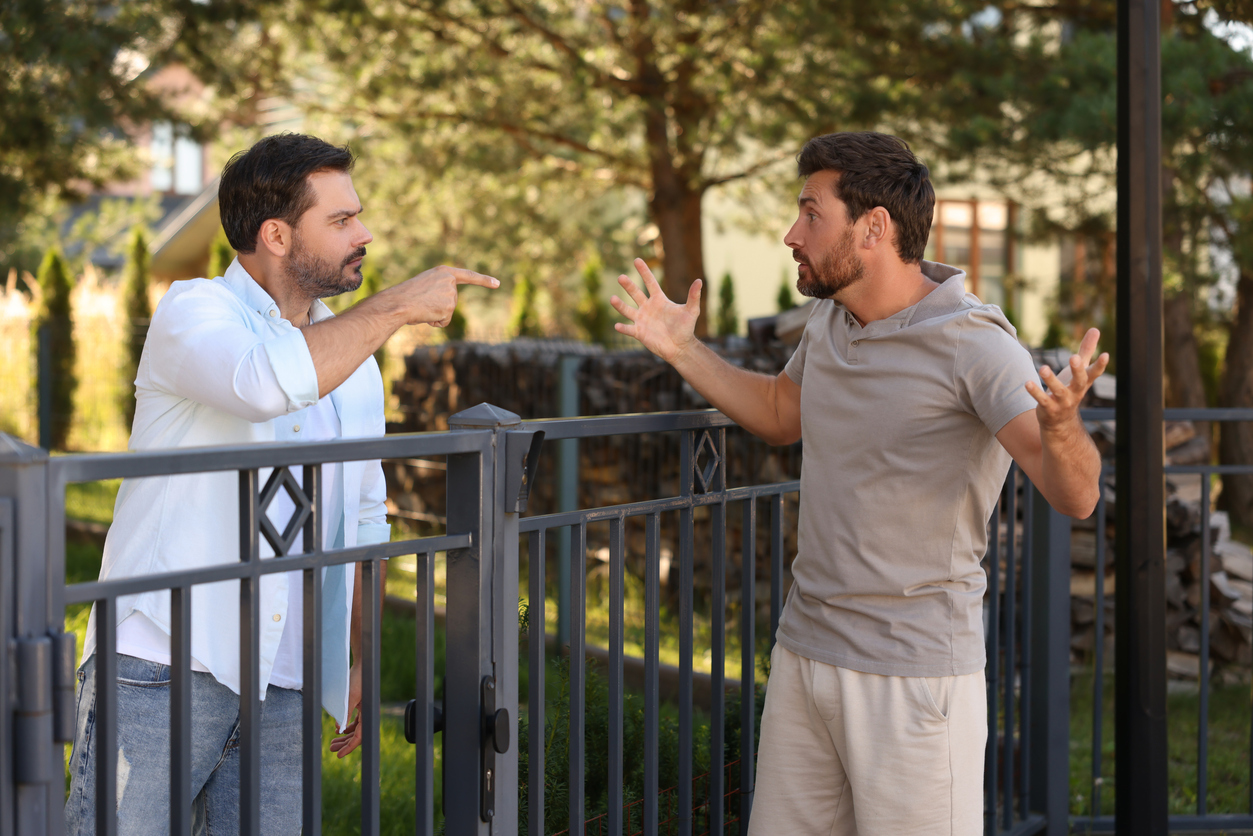
Imagine you’re finally ready to sell your home, and out of nowhere, your neighbor claims they’ve been using your driveway for years and have a legal right to keep doing it. Or maybe you bought a property assuming it came with full access to a shared road, only to discover a decades-old document says otherwise. These situations happen more often than you’d think, and they usually come down to one question: who really has the legal right to use this land?
That’s where a quiet title action comes in. If you’re a California property owner dealing with a murky easement situation, understanding how quiet title actions work can help you protect what’s yours.
At the Law Offices of Daniel A. Hunt, we help property owners across California untangle exactly these kinds of disputes. Easement conflicts can feel personal, especially when they involve neighbors or long-standing arrangements, but the law offers a clear path to resolving them. Let’s walk through what a quiet title action actually does and how it applies to easement disputes.
What Is a Quiet Title Action, Anyway?
A quiet title action is a civil lawsuit filed to establish, once and for all, who holds legal title or rights to a piece of property. Think of it as asking a judge to “quiet” all the competing claims so there’s no more room for argument. Once the court issues a ruling, that decision becomes the official, binding answer.
This legal tool isn’t just for outright ownership disputes. It also applies to easements, which are legal rights that allow someone to use another person’s land for a specific purpose, like a shared driveway, a utility line, or access to a landlocked parcel. When two parties disagree about whether an easement exists, how it can be used, or whether it was ever valid in the first place, a quiet title action can settle the matter.
California Code of Civil Procedure Section 760.020 outlines who can bring this type of action and what it covers. It’s broader than most people realize, covering easements, liens, and other interests in real property, not just fee simple ownership.
Common Easement Disputes That Lead to Quiet Title Actions
Easement disputes rarely start as lawsuits. They usually start as disagreements, and those disagreements only escalate into quiet title actions when informal solutions don’t work.
Disputed Existence of an Easement
Sometimes one neighbor insists an easement exists because it’s been used that way for years, while the other neighbor says there’s no legal document to support it. This is common with prescriptive easements, which can arise from open, continuous, and hostile use of land over a period of at least five years in California.
Ambiguous or Outdated Easement Language
Older deeds and easement agreements were sometimes written in vague language that doesn’t clearly define the boundaries or permitted uses. As properties change hands and get subdivided, these ambiguities tend to surface, usually at the worst possible time, like during a sale or refinance.
Easement Scope Disagreements
Even when both parties agree an easement exists, they might disagree about how it can be used. Can a driveway easement meant for occasional access now be used for daily commercial deliveries? These “scope creep” disputes are increasingly common in growing California communities.
Abandoned or Terminated Easements
An easement can sometimes be abandoned or terminated through non-use, merger of properties, or written release. If one party believes an old easement no longer applies but the other disagrees, a quiet title action can confirm its current status.
How the Quiet Title Process Works
If you’re facing an easement dispute, it helps to know what the actual legal process looks like before you commit to filing.
Filing the Complaint
The process starts with a complaint filed in the superior court of the county where the property is located. This complaint needs to describe the property in detail, identify every person who might claim an interest in it, and explain the basis for your claim.
Notifying Interested Parties
Every person or entity with a potential claim to the property must be named and served with notice. In easement cases, this often includes neighboring property owners, prior owners, or even utility companies, depending on the type of easement involved.
Recording a Lis Pendens
Once the lawsuit is filed, your attorney will typically record a lis pendens, which is a public notice that litigation is pending regarding the property. This protects your interests and alerts anyone considering a transaction involving the property that there’s an unresolved dispute.
Court Review and Judgment
The court will review the evidence, which might include historical deeds, surveys, witness testimony, and usage records, before issuing a judgment. That judgment becomes part of the public record and resolves the ownership or easement question going forward.
This process can take several months, sometimes longer if the case is contested, but it provides something informal negotiations often can’t: a final, enforceable answer.
Why Property Owners Shouldn’t Wait to Address Easement Disputes
It’s tempting to let an easement disagreement simmer, especially if things seem manageable for now. But waiting often makes these disputes harder to resolve, not easier.
Unclear Title Can Derail a Sale or Refinance
Title companies and lenders don’t like ambiguity. If there’s an unresolved easement dispute on your property, it can hold up a sale, delay a refinance, or scare off a buyer entirely. Getting a quiet title judgment before you’re under time pressure gives you far more breathing room.
Evidence Gets Harder to Find Over Time
Easement disputes often hinge on historical use, old deeds, or long-ago agreements. The longer you wait, the more likely it is that witnesses move away, memories fade, or documents get lost. Acting sooner preserves the evidence you’ll need to make your case.
Ongoing Uncertainty Affects How You Use Your Own Property
If you’re not sure whether a neighbor has a legal right to cross your land, you might hesitate to build a fence, add a structure, or make improvements. A quiet title action removes that uncertainty so you can actually use your property with confidence.
Relationships With Neighbors Can Deteriorate
Unresolved property disputes have a way of straining even friendly neighbor relationships. A formal legal resolution, while it might feel like a big step, can actually reduce ongoing tension by replacing guesswork with a clear, documented answer.
Getting the Right Help for Your Easement Dispute
Quiet title actions involving easements can get complicated fast, especially when they involve old records, multiple parties, or overlapping claims. Having an attorney who understands California real property law can make the difference between a drawn-out fight and a clean resolution.
At the Law Offices of Daniel A. Hunt, our experienced real estate attorneys have helped property owners throughout California sort through exactly these kinds of easement disputes. We know how personal these situations can feel, and we work to get you a clear answer without unnecessary drama.
If you’re dealing with a disputed easement or you’re just not sure where you stand, don’t wait until it becomes a bigger problem. Contact us to schedule a consultation, and let’s talk through your options together. You deserve to know, with certainty, what you’re entitled to on your own land.
Frequently Asked Questions
Q: What is the difference between a quiet title action and a regular property dispute?
A: A quiet title action is a specific type of lawsuit designed to resolve competing claims to property rights, including easements, once and for all. Unlike informal disputes or negotiations, it results in a binding court judgment that becomes part of the public record. This makes it especially useful when you need a permanent, enforceable answer rather than a temporary agreement with a neighbor.
Q: How long does a quiet title action take in California?
A: The timeline varies depending on how many parties are involved and whether the case is contested. Uncontested cases might resolve in a few months, while contested easement disputes with multiple property owners can take a year or longer. Your attorney can give you a more specific estimate once they’ve reviewed the details of your situation.
Q: Can I still sell my property if there’s an unresolved easement dispute?
A: You can attempt to sell, but an unresolved easement dispute often creates title issues that make buyers, lenders, and title companies hesitant. Many sales stall or fall through entirely because of this kind of uncertainty. Resolving the dispute through a quiet title action before listing your property can help the transaction move forward smoothly.
Q: What evidence do I need for a quiet title action involving an easement?
A: Useful evidence typically includes original deeds, recorded easement agreements, property surveys, tax records, and witness statements about how the land has been used over time. The specific evidence needed depends on whether you’re disputing the existence, scope, or termination of an easement. An attorney can help you identify and gather the right documentation for your case.
Q: Do I need a lawyer to file a quiet title action in California?
A: While it’s technically possible to file on your own, quiet title actions involve strict procedural requirements, precise legal descriptions, and proper notice to all interested parties. Mistakes can delay your case or weaken your claim. Working with an experienced real estate attorney helps ensure your quiet title action is filed correctly the first time.